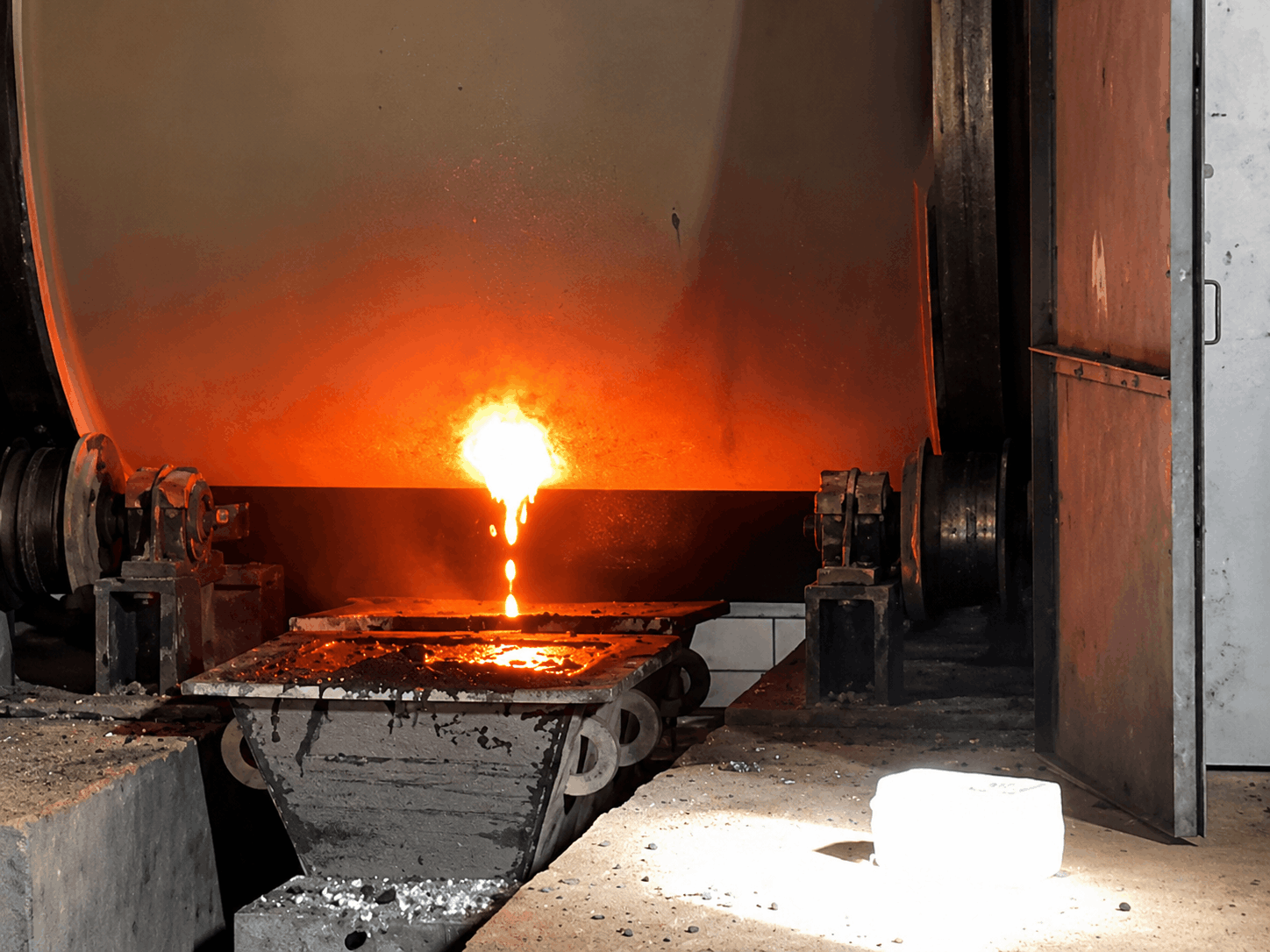
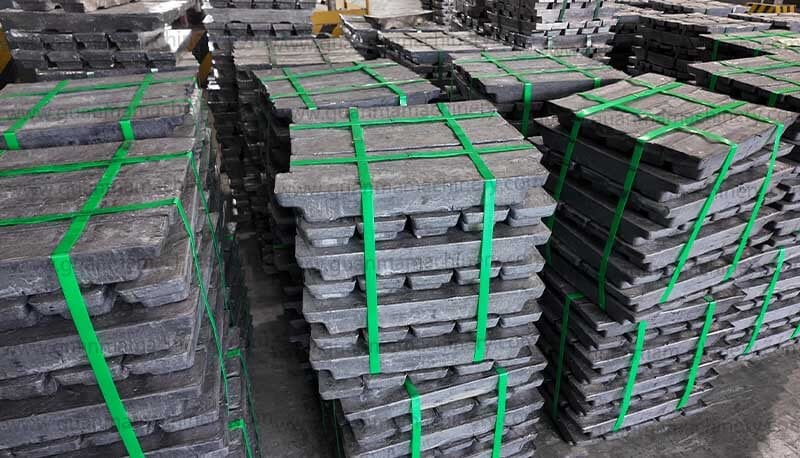
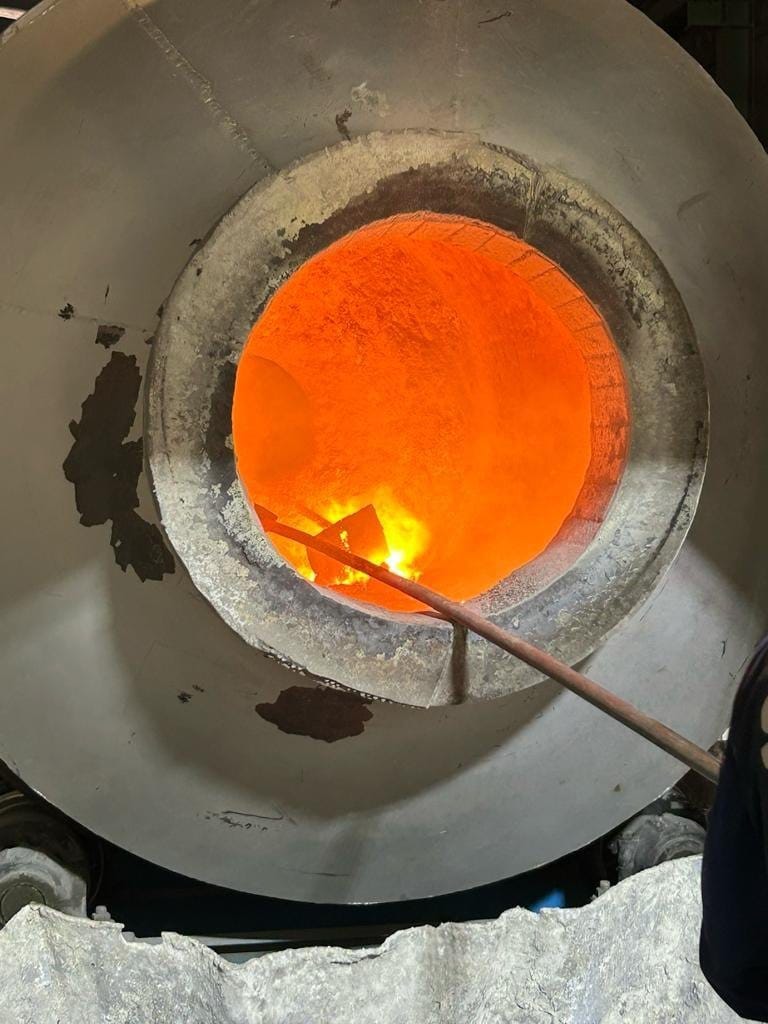
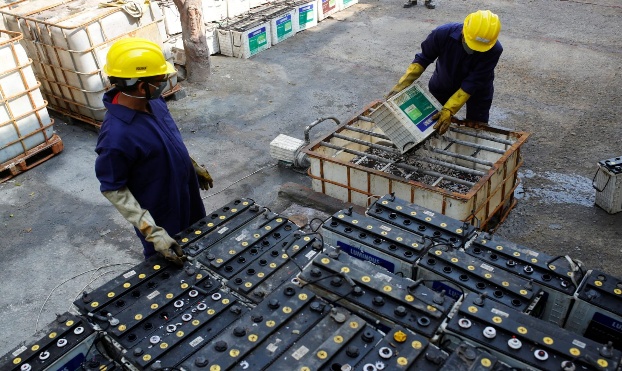
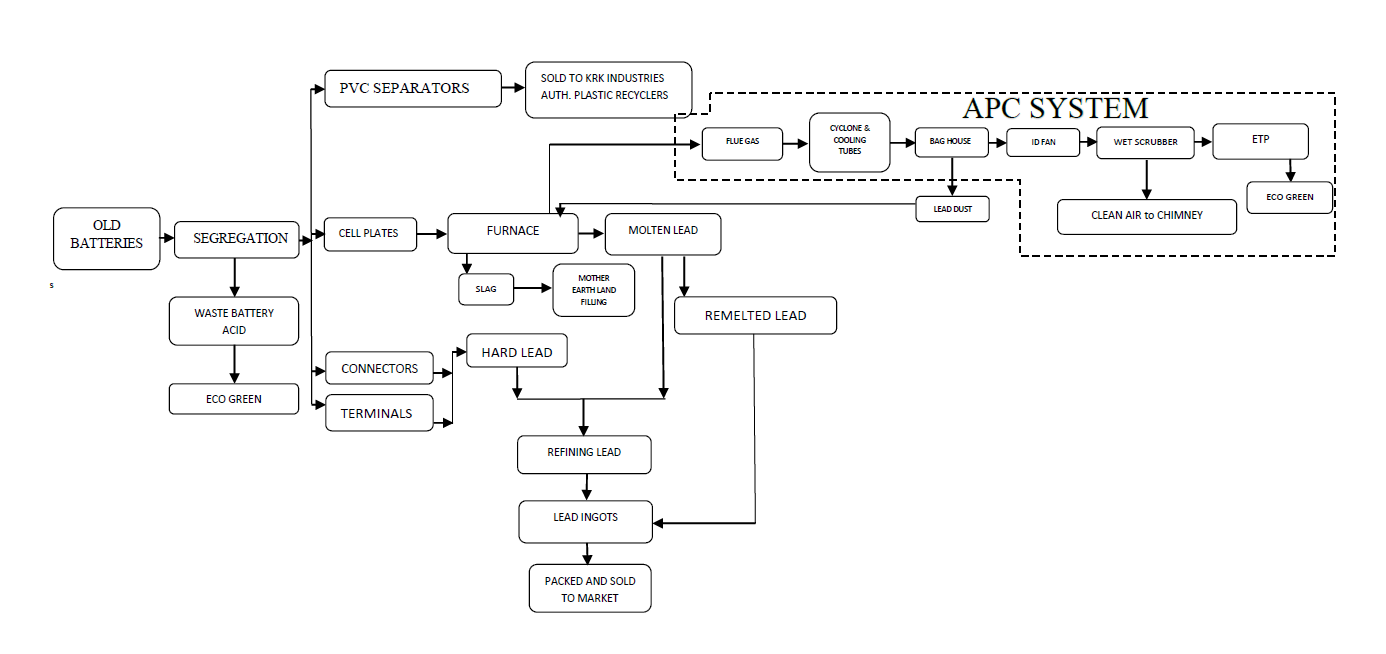
Used batteries are safely collected, inspected, and dismantled to recover valuable materials such as lead, plastic, and acid. These recovered resources are refined and reused to manufacture new batteries and other industrial products. The process reduces environmental impact, conserves natural resources, and supports a sustainable circular economy.
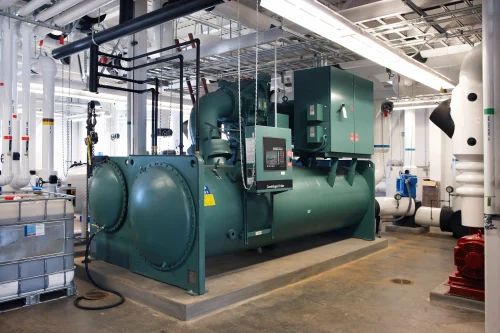
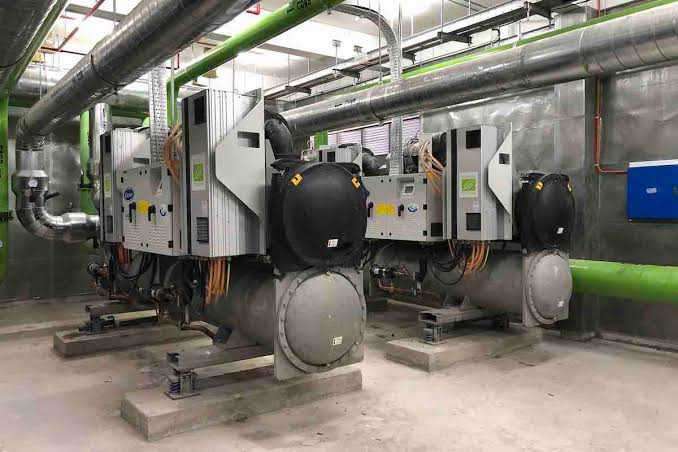
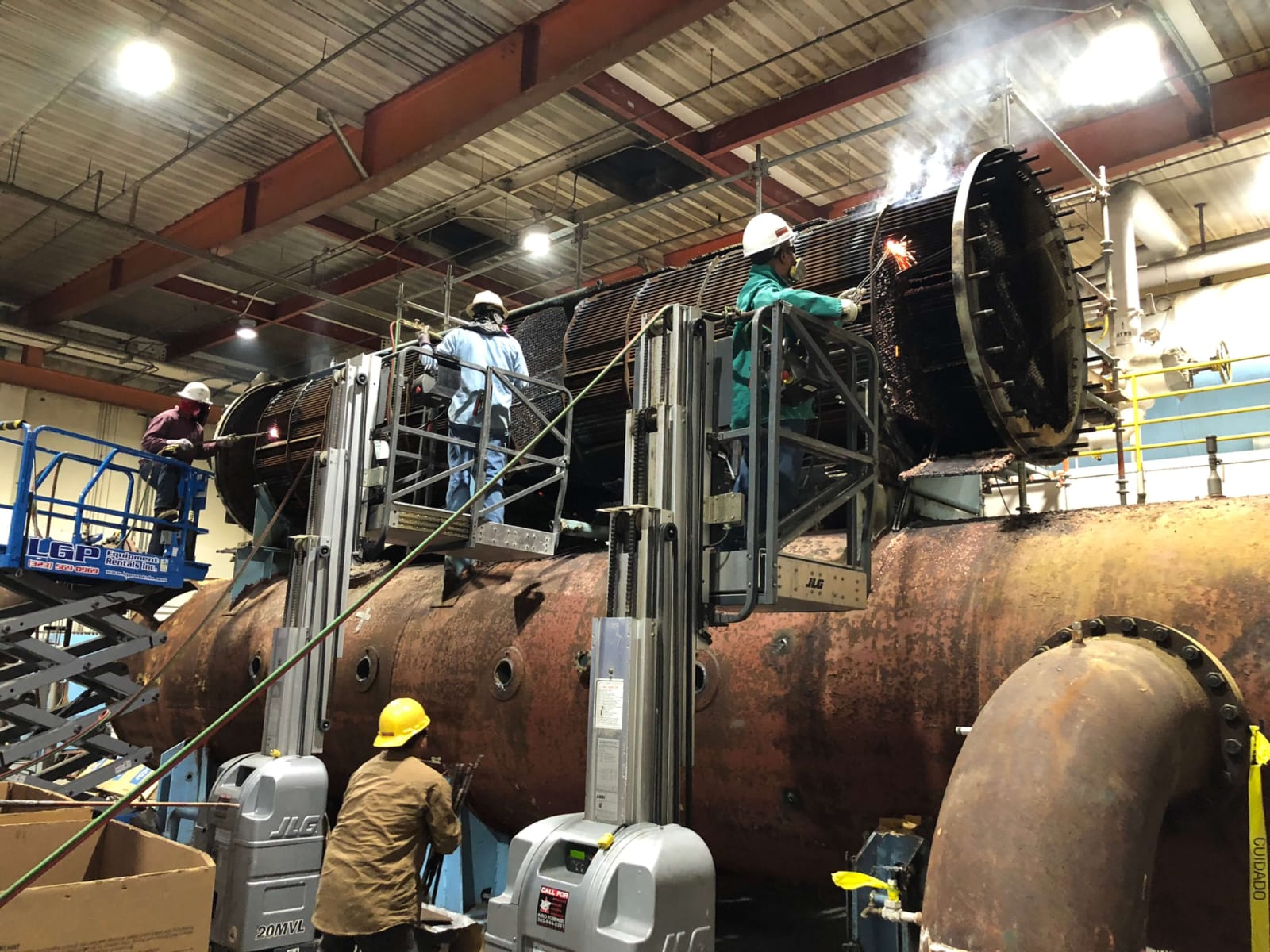
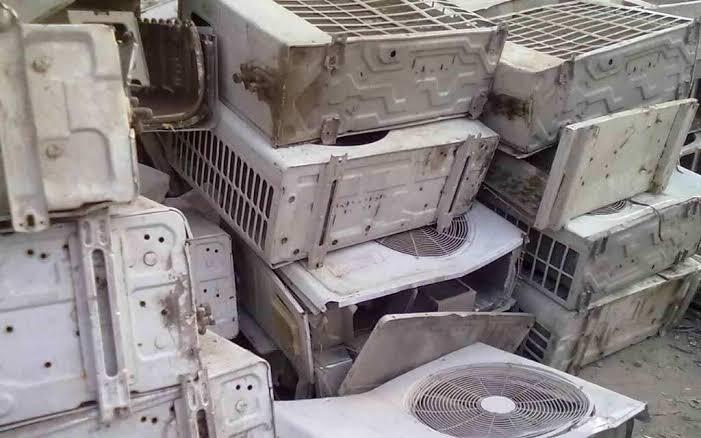
Dismantling an AC chiller unit requires specialized expertise, refrigerant recovery, and strict environmental compliance to safely handle oils, coolants, and heavy components. Systematic segregation of copper, aluminum, steel, and circuit boards maximizes scrap value while ensuring legal and ecological responsibility.
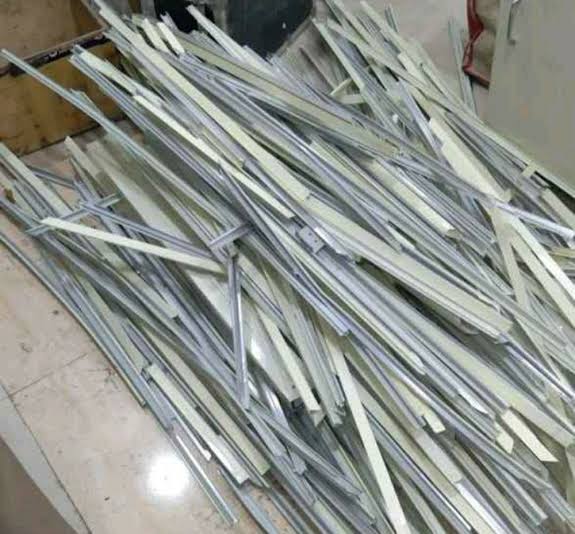
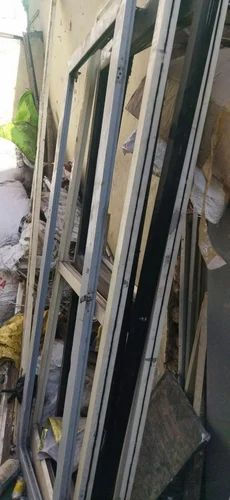
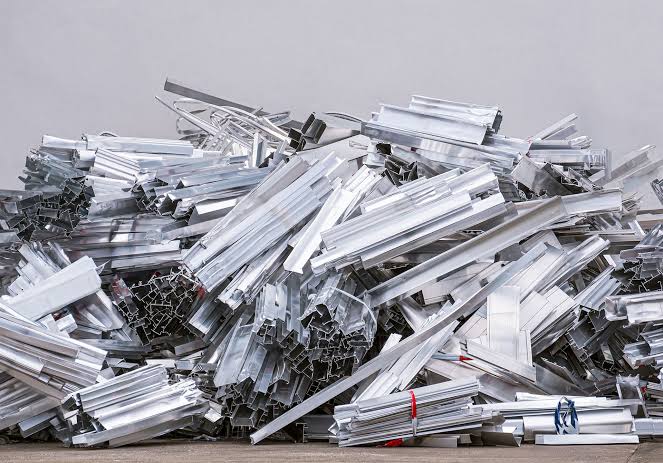
Dismantling aluminium scrap effectively requires systematic separation from fasteners, gaskets, and insulation, using tools like magnetic separators and shears to maintain purity. Clean, well-sorted aluminium maximizes financial returns and supports environmentally responsible recycling.
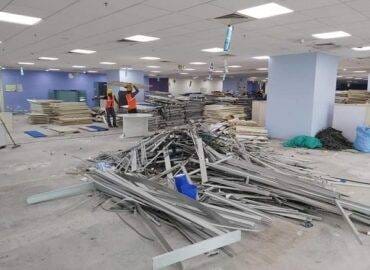
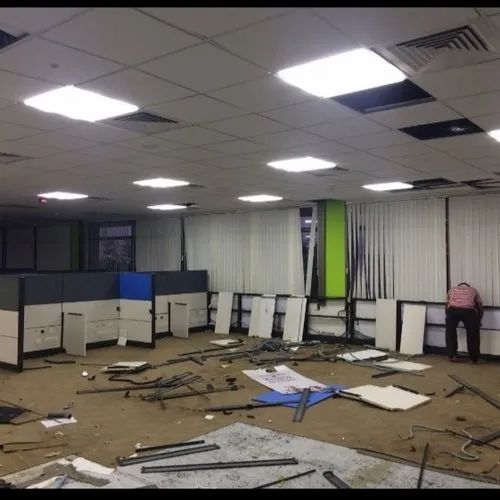
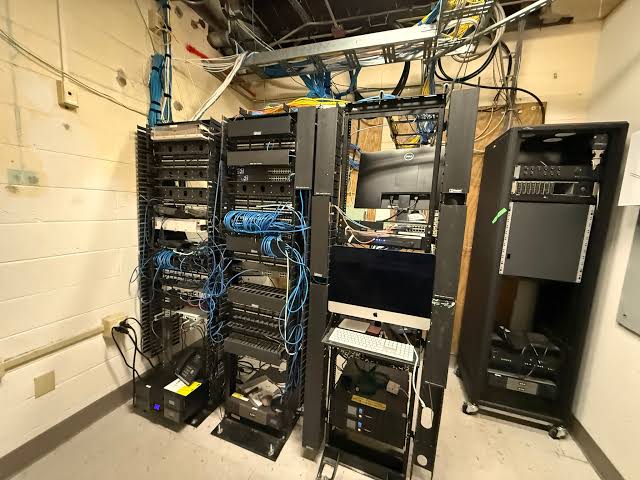
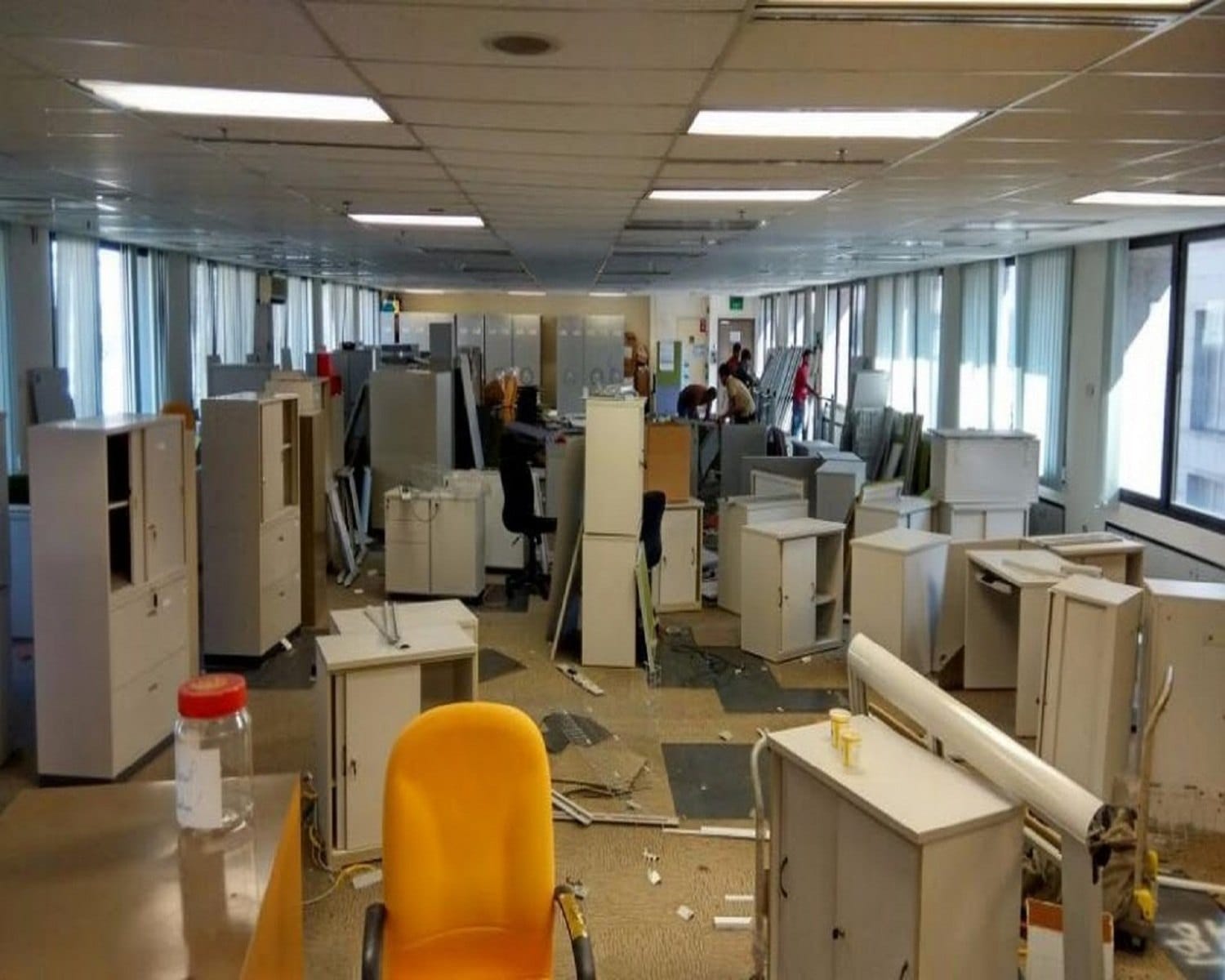
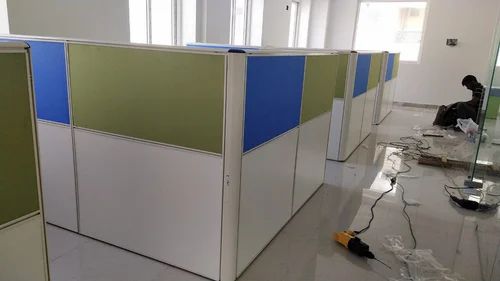
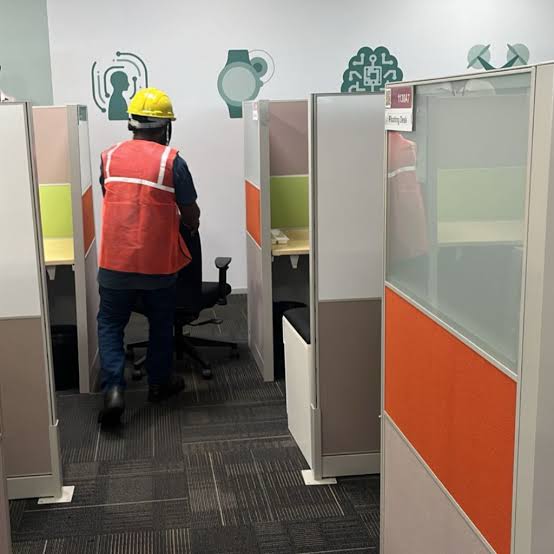
Dismantling an office workstation demands precision in handling wiring, electronics, and labeling to prevent damage and data loss. A well-executed process enables smooth relocation or upgrades while offering a chance to optimize workspace ergonomics and productivity.
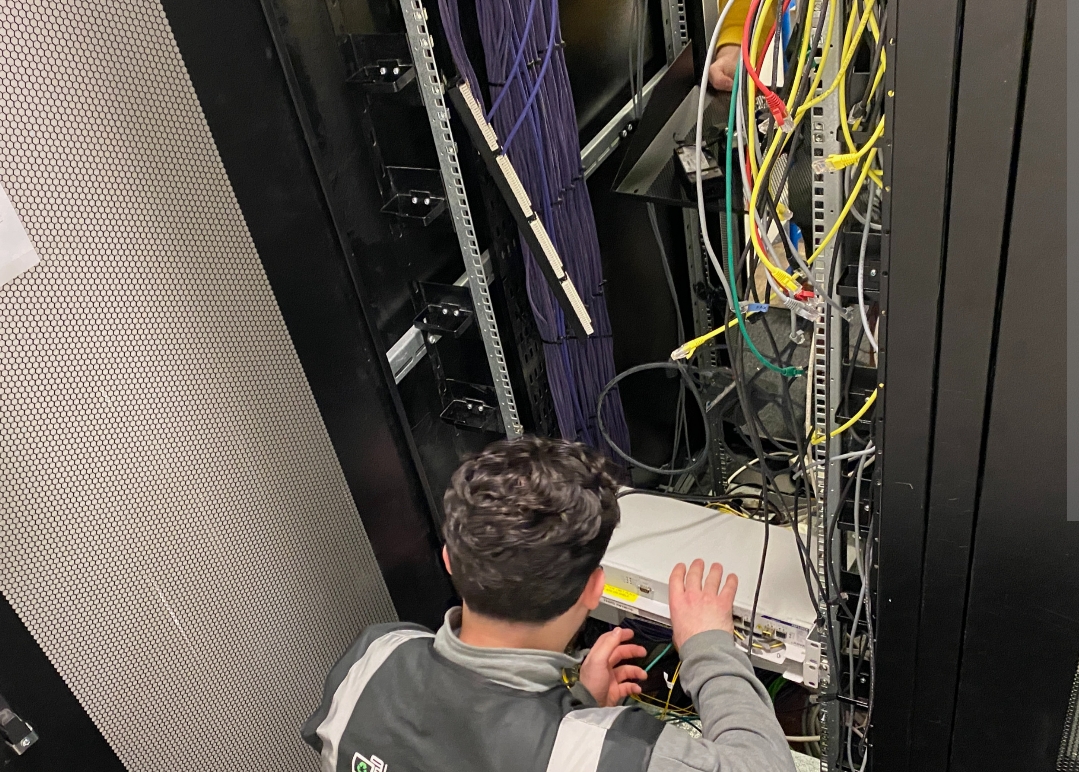
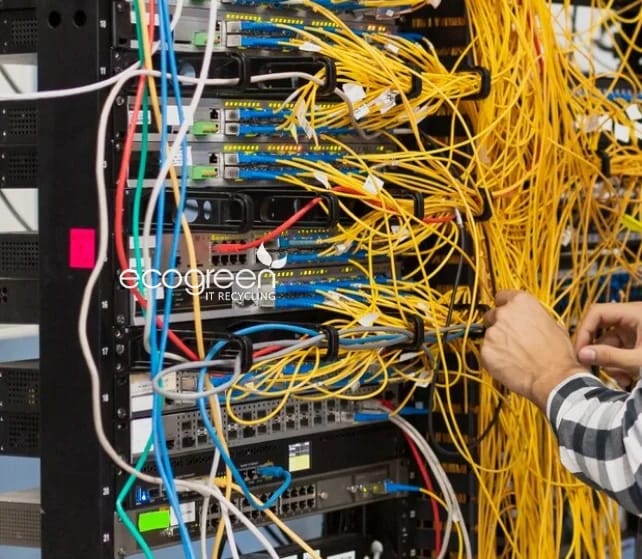
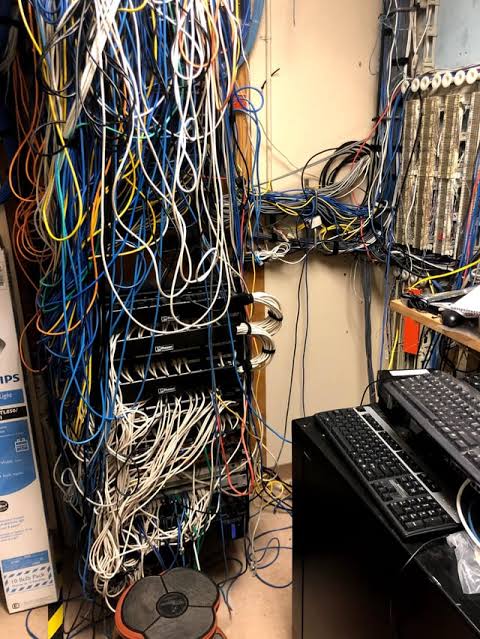
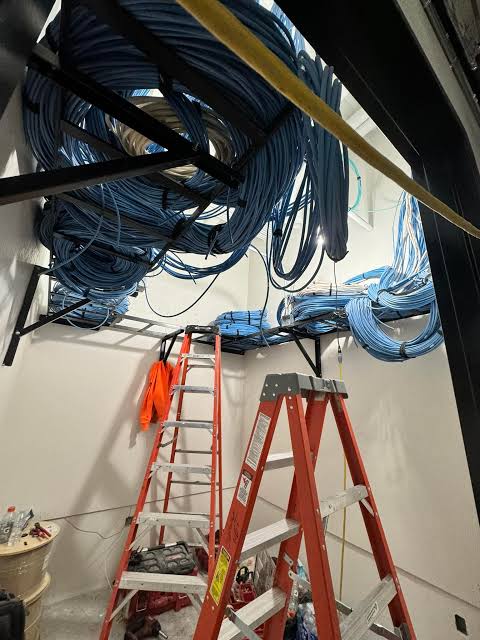
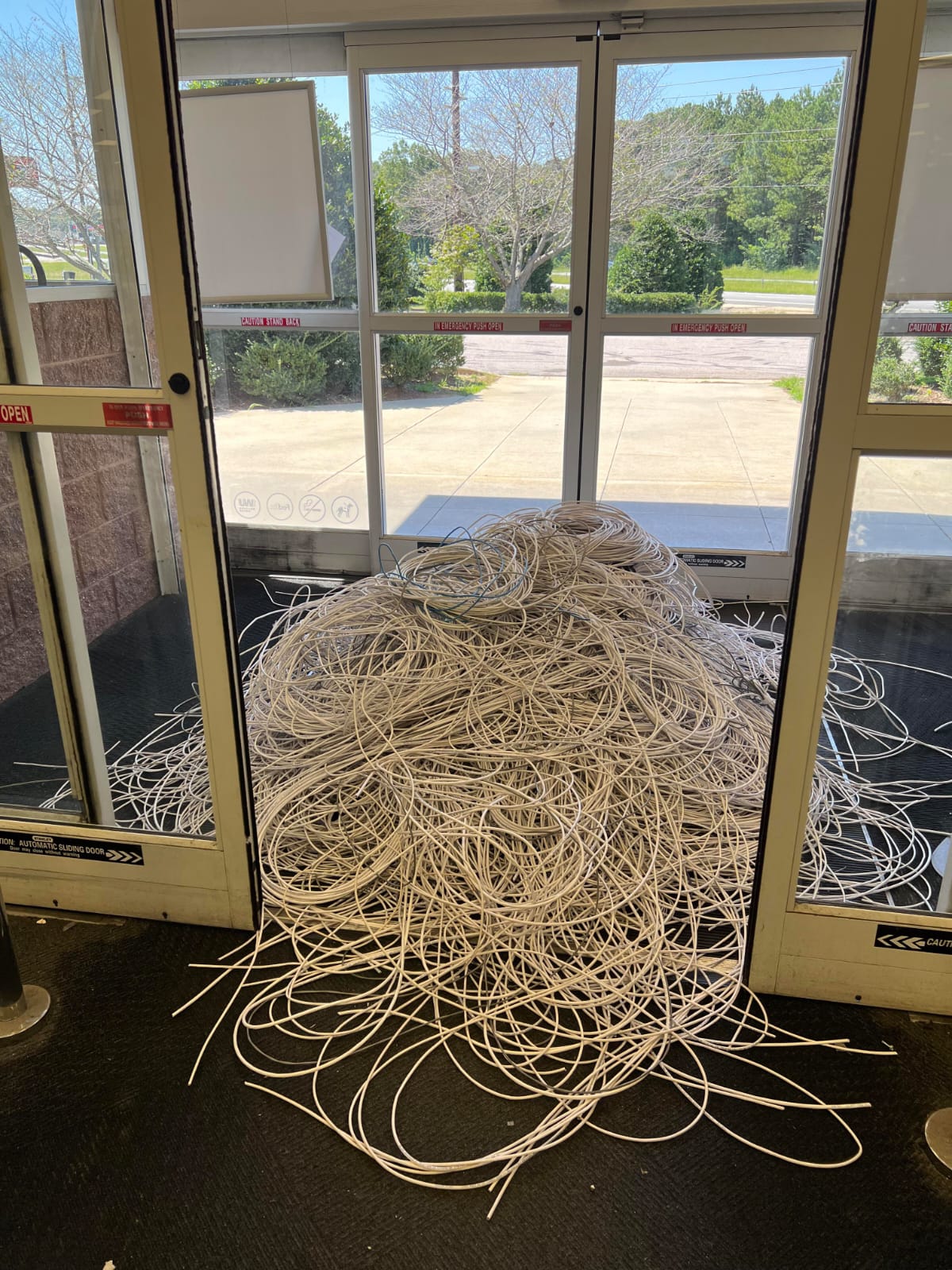
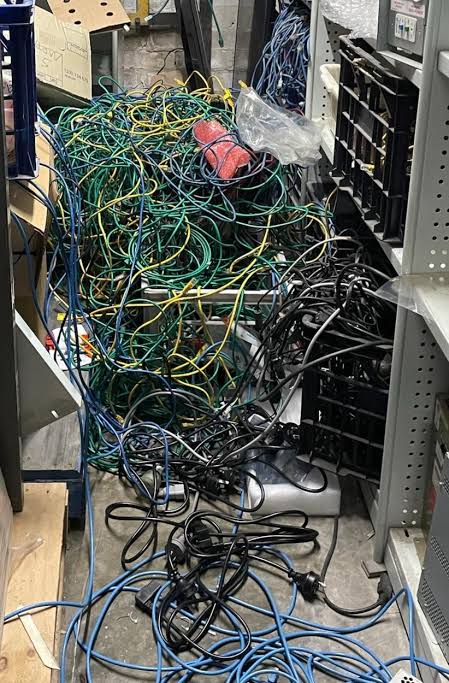
Scrapping copper CAT6 and CAT6A cables offers high value due to their pure, dense copper conductors, but maximizing returns requires stripping insulation and separating bare copper from shielding. Responsible recycling of these data-center cables not only recovers material costs but also supports sustainable e-waste practices.
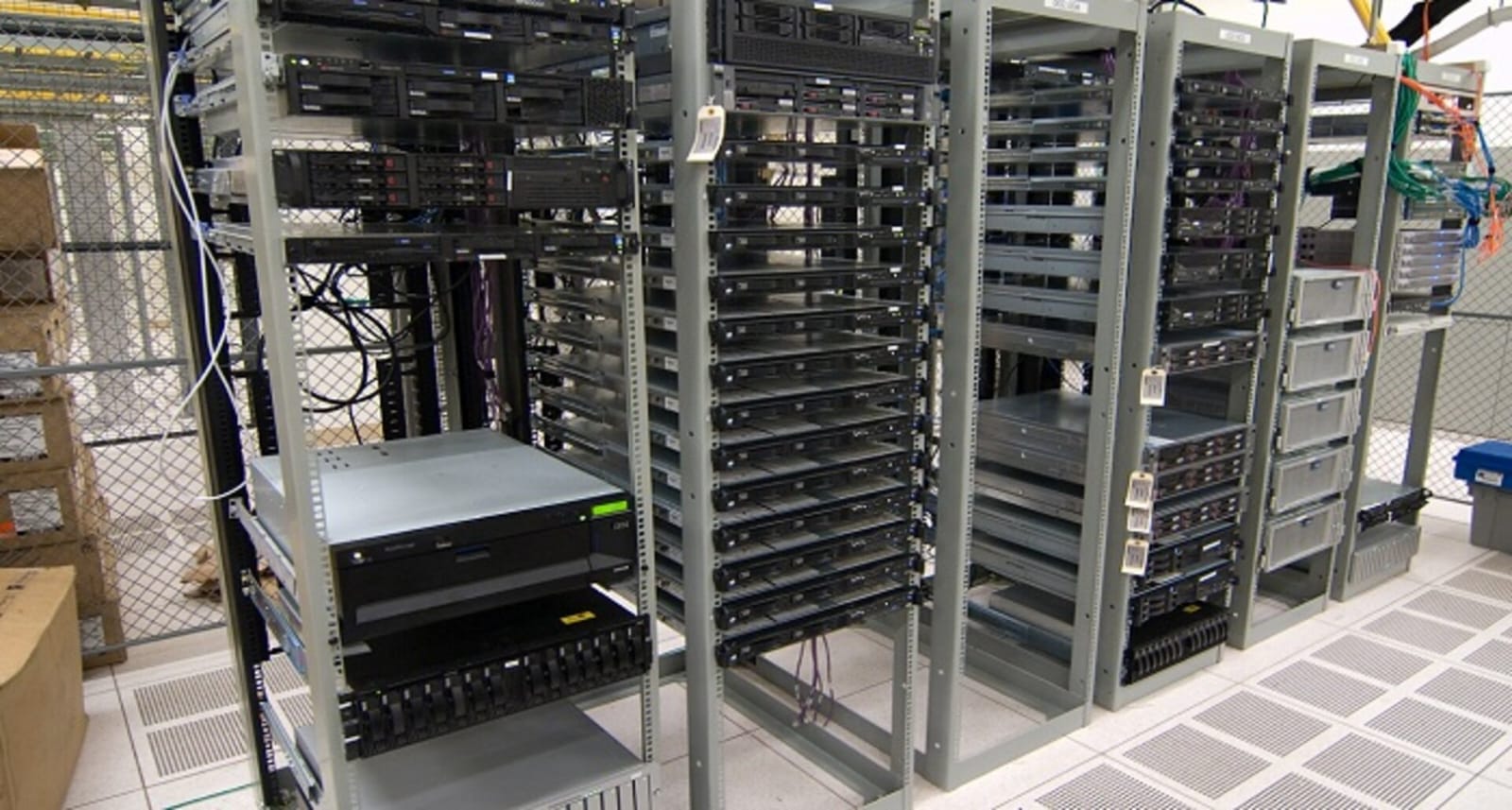
Dismantling servers requires strict safety, anti-static, and segregation protocols to recover valuable materials and handle hazardous components. It also ensures secure data destruction, making it essential for ITAD and responsible e-waste recycling.